The 2026 US Inflation Outlook: Protecting Your Savings from 4% Erosion
Anúncios
The 2026 US inflation outlook projects a 4% erosion of savings, demanding proactive financial strategies. Understanding economic indicators and implementing protective measures are crucial for safeguarding wealth against inflationary pressures.
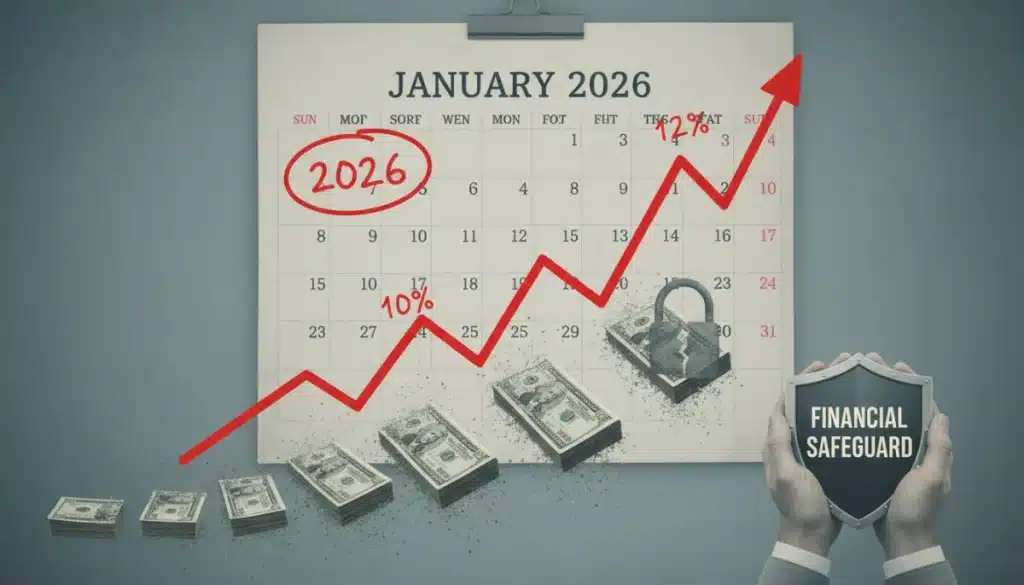
As we look towards the future, understanding the economic landscape becomes paramount for every American household. The 2026 US inflation outlook suggests a potential 4% erosion of savings, a figure that demands immediate attention and strategic planning. This isn’t just a number; it represents a tangible threat to your financial well-being, impacting everything from daily expenses to long-term retirement goals. How can you prepare for such an environment and ensure your hard-earned money retains its purchasing power?
Anúncios
Understanding the 2026 US Inflation Outlook
The projection of a 4% inflation rate for 2026 is not a random guess but an informed estimate based on various economic factors. These factors include global supply chain dynamics, domestic fiscal policies, labor market trends, and commodity prices. While predictions are inherently uncertain, this outlook serves as a critical benchmark for individuals and institutions to begin planning. It suggests that the cost of living will continue to rise, making it more expensive to buy goods and services, and effectively reducing the real value of cash and fixed-income investments.
Anúncios
Several underlying forces contribute to this anticipated inflation. Persistent geopolitical tensions can disrupt global trade routes and energy supplies, leading to higher costs. Domestically, robust consumer demand, fueled by a strong job market and accumulated savings, could outpace supply, pushing prices upwards. Furthermore, government spending and monetary policies, while aiming to stabilize the economy, can also inadvertently contribute to inflationary pressures if not carefully managed. Understanding these drivers is the first step in formulating an effective defense strategy.
Key Economic Indicators to Watch
Monitoring specific economic indicators can provide early warnings and insights into the evolving inflation landscape. These indicators offer a clearer picture of the economy’s health and potential shifts in price levels.
- Consumer Price Index (CPI): This index measures the average change over time in the prices paid by urban consumers for a market basket of consumer goods and services. A consistently rising CPI signals increasing inflation.
- Producer Price Index (PPI): The PPI measures the average change over time in the selling prices received by domestic producers for their output. Increases in PPI often precede increases in CPI.
- Wage Growth: Strong wage growth can be a double-edged sword. While beneficial for workers, it can also lead to higher production costs for businesses, which are often passed on to consumers as higher prices.
- Interest Rates: The Federal Reserve’s decisions on interest rates directly influence borrowing costs and economic activity. Higher rates typically aim to cool down an overheating economy and curb inflation.
By keeping an eye on these metrics, individuals can better anticipate economic shifts and make timely adjustments to their financial plans. The dynamic nature of these indicators requires continuous monitoring and a flexible approach to personal finance.
The Impact of 4% Inflation on Your Savings
A projected 4% inflation rate in 2026 means that what $100 buys today will cost approximately $104 in 2026, assuming a consistent rate. While this might seem modest on an annual basis, its cumulative effect over several years can significantly erode your purchasing power. For instance, if your savings are sitting in a traditional bank account earning a minimal interest rate, say 0.5%, your money is effectively losing value by 3.5% each year in real terms. This loss compounds, diminishing the long-term value of your wealth.
This erosion doesn’t just affect your cash savings; it impacts various aspects of your financial life. Retirement funds, which are often invested for decades, are particularly vulnerable if not adequately protected. The cost of future goals, such as buying a home, funding education, or even affording daily necessities in retirement, will increase. Therefore, understanding the tangible impact of inflation is crucial for motivating proactive financial planning and investment decisions. It highlights the urgency of moving beyond traditional savings methods that offer low returns.
Real-World Scenarios of Erosion
Consider a few practical examples to fully grasp how a 4% inflation rate can affect your financial planning. A car that costs $30,000 today might cost around $31,200 in 2026. A college tuition fee of $20,000 per year could rise to $20,800. These seemingly small annual increases add up, making future purchases more expensive and requiring greater savings to achieve the same goals. This demonstrates that merely saving money isn’t enough; your money needs to grow at a rate that outpaces inflation to maintain its value.
For retirees living on fixed incomes, the impact can be even more severe. Their pensions or fixed investments might not adjust for inflation, leading to a gradual but significant decline in their standard of living. This scenario underscores the importance of inflation-protected investments and diverse portfolios that can withstand rising costs. Protecting your savings isn’t just about preserving the number in your account; it’s about preserving your future lifestyle and financial security.
Strategic Investment to Combat Inflation
To effectively protect your savings from the projected 4% erosion in the 2026 US inflation outlook, a strategic approach to investment is essential. Simply holding cash or low-interest savings accounts will not suffice. The goal is to invest in assets that have historically performed well during inflationary periods or are designed to offer inflation protection. Diversification across various asset classes is key to mitigating risk and enhancing potential returns.
One common strategy involves investing in real assets, which tend to hold their value or even appreciate when inflation rises. These include real estate, commodities, and certain types of infrastructure. Another approach is to consider inflation-indexed securities, such as Treasury Inflation-Protected Securities (TIPS), which adjust their principal value based on changes in the Consumer Price Index. These instruments are specifically designed to offer a hedge against rising prices, ensuring your investment keeps pace with inflation.
Diversifying Your Portfolio for Resilience
A well-diversified portfolio is your best defense against economic uncertainties, including inflation. It involves spreading your investments across different types of assets, industries, and geographies to reduce overall risk. This strategy aims to ensure that if one asset class performs poorly, others may perform well, balancing out returns.
- Stocks: Certain sectors, like those in energy, materials, and consumer staples, often fare better during inflationary times as they can pass on higher costs to consumers.
- Real Estate: Properties, especially rental properties, can be a good hedge against inflation as rents and property values tend to increase with rising prices.
- Commodities: Gold, silver, and other raw materials often see their prices rise during inflationary periods, serving as a store of value.
- Inflation-Protected Securities: As mentioned, TIPS are government-issued bonds that offer protection against inflation, guaranteeing your principal will increase with the CPI.
- Alternative Investments: Consider private equity, hedge funds, or even cryptocurrencies (with caution and thorough research) as part of a diversified strategy, though these carry higher risks.
The key is to select investments that align with your risk tolerance and financial goals, always keeping an eye on the broader economic environment. Regular review and rebalancing of your portfolio are crucial to maintain its effectiveness against inflation.

Protecting Retirement and Long-Term Goals
For many, retirement savings represent the culmination of decades of hard work. The prospect of a 4% inflation rate eroding these savings by 2026 is a significant concern. Protecting your retirement and other long-term financial goals requires a proactive and informed strategy that goes beyond simply contributing to a 401(k) or IRA. It involves carefully selecting investments within these accounts that are resilient to inflationary pressures and regularly reviewing your financial plan.
One crucial aspect is to ensure that your retirement portfolio is not overly concentrated in cash or fixed-income assets that offer returns below the inflation rate. Instead, consider increasing your exposure to growth-oriented assets like stocks, real estate, and commodities, which have historically provided better long-term returns and a hedge against inflation. For those closer to retirement, incorporating inflation-protected annuities or bonds can provide a more predictable income stream that adjusts with the cost of living, mitigating the risk of diminishing purchasing power.
Adapting Your Retirement Plan
Adapting your retirement plan to account for inflation is a continuous process that requires periodic adjustments and professional guidance. It’s not a one-time fix but an ongoing strategy.
- Increase Contributions: If feasible, increase your regular contributions to retirement accounts. More capital invested earlier means more time for compounding returns to outpace inflation.
- Rebalance Portfolio: Periodically review and rebalance your portfolio to ensure it remains aligned with your risk tolerance and inflation-hedging goals. This might involve selling underperforming assets and buying those with better inflation protection.
- Consider Inflation-Adjusted Income Streams: Explore options like annuities that offer inflation adjustments, ensuring your future income keeps pace with rising living costs.
- Delay Social Security (If Applicable): For some, delaying Social Security benefits can lead to higher monthly payments, which can provide a degree of inflation protection over time.
Engaging with a financial advisor who specializes in retirement planning and inflation strategies can provide personalized insights and help you navigate the complexities of protecting your long-term wealth. Their expertise can be invaluable in crafting a robust plan.
Budgeting and Expense Management in an Inflationary Environment
While investment strategies are crucial for protecting your savings from the 2026 US inflation outlook, managing your daily finances through effective budgeting and expense control is equally important. When inflation is high, every dollar counts more, and understanding where your money goes becomes paramount. A well-structured budget can help you identify areas where you can cut back, reallocate funds, and ensure your essential needs are met without incurring unnecessary debt.
Start by tracking all your income and expenses for at least a month to get a clear picture of your spending habits. Categorize your expenses into fixed costs (rent, mortgage, loan payments) and variable costs (groceries, entertainment, utilities). This exercise often reveals surprising areas where money is being spent inefficiently. The goal is not just to cut expenses but to optimize them, finding smarter ways to spend and save that align with your financial goals in an inflationary climate.
Practical Tips for Managing Rising Costs
In an environment where prices are continually rising, adopting smart spending habits can significantly alleviate the pressure on your budget.
- Review Subscriptions: Cancel unused subscriptions to streaming services, apps, or gym memberships. These small monthly costs can add up quickly.
- Meal Planning and Grocery Shopping: Plan your meals in advance, create a grocery list, and stick to it. Buying in bulk for non-perishable items when on sale can also save money.
- Energy Efficiency: Invest in energy-efficient appliances, seal drafts in your home, and be mindful of your electricity and heating usage to reduce utility bills.
- Transportation Alternatives: Consider carpooling, public transport, or cycling to save on fuel and vehicle maintenance costs.
- Negotiate and Shop Around: Don’t be afraid to negotiate for better rates on insurance, internet, or other services. Always compare prices before making significant purchases.
These practical steps, when consistently applied, can create significant savings that can then be redirected towards inflation-hedging investments or building an emergency fund. Effective expense management is a continuous process that requires discipline and adaptability.
The Role of Debt Management in Inflation Protection
In an environment of rising inflation, the management of debt takes on new significance. While inflation can, in some ways, reduce the real value of fixed-rate debt over time, it also often leads to higher interest rates on new borrowing and variable-rate loans. This makes prudent debt management a critical component of protecting your overall financial health against the projected 4% erosion in the 2026 US inflation outlook. High-interest debt, such as credit card balances, can quickly become a significant drain on your finances, negating any gains from investments.
Prioritizing the reduction of high-interest debt should be a primary goal. The interest rates on such debt often far exceed the rate of inflation, meaning you are losing money both to rising prices and high borrowing costs. Consolidating debt into a lower-interest loan or transferring balances to a 0% APR credit card (if you can pay it off within the promotional period) can free up cash flow that can then be allocated to savings or inflation-resistant investments. Moreover, maintaining a healthy credit score is essential, as it allows you access to better interest rates should you need to borrow in the future.
Strategies for Smart Debt Reduction
Effective debt reduction strategies are crucial for maintaining financial stability, especially when inflation is a concern. These methods help you systematically tackle your obligations.
- Debt Snowball Method: Pay off your smallest debts first to gain momentum, then move on to larger ones. This psychological boost can keep you motivated.
- Debt Avalanche Method: Focus on paying off debts with the highest interest rates first, saving you more money in the long run.
- Refinance High-Interest Loans: Explore options to refinance personal loans, car loans, or even mortgages if current interest rates are lower than what you’re paying.
- Avoid New Debt: Be disciplined about not taking on new high-interest debt. Use cash or debit for purchases whenever possible.
By diligently managing and reducing debt, you create a stronger financial foundation that is more resilient to inflationary pressures. This frees up resources that can be strategically deployed to protect and grow your wealth in a challenging economic climate.
Seeking Professional Financial Guidance
Navigating the complexities of the 2026 US inflation outlook and developing robust strategies to protect your savings can be challenging. The financial landscape is constantly evolving, and what works today might not be optimal tomorrow. This is where professional financial guidance becomes invaluable. A qualified financial advisor can offer personalized insights, help you assess your unique financial situation, and craft a tailored plan that aligns with your goals and risk tolerance.
Financial advisors possess expertise in various investment vehicles, tax implications, and market trends. They can help you identify inflation-hedging assets, optimize your portfolio diversification, and adjust your retirement planning to account for rising costs. Beyond just investment advice, they can also assist with budgeting, debt management, and estate planning, providing a holistic approach to your financial well-being. Their objective perspective can help you avoid emotional decisions during volatile economic periods and stay focused on your long-term objectives.
Choosing the Right Financial Advisor
Selecting a financial advisor is a crucial decision that can significantly impact your financial future. It’s important to choose someone who understands your needs and whom you trust.
- Credentials and Experience: Look for advisors with certifications like Certified Financial Planner (CFP) and a proven track record of helping clients through various economic cycles.
- Fee Structure: Understand how the advisor is compensated (e.g., fee-only, commission-based, fee-based). Fee-only advisors typically have fewer conflicts of interest.
- Specialization: Some advisors specialize in retirement planning, tax strategies, or inflation hedging. Choose one whose expertise matches your primary concerns.
- Communication Style: Ensure their communication style is clear, transparent, and that they are responsive to your questions and concerns.
A good financial advisor acts as a partner in your financial journey, providing guidance and support to help you achieve your goals, particularly in challenging economic environments like the one projected for 2026. Investing in professional advice can often yield returns far greater than its cost.
| Key Strategy | Brief Description |
|---|---|
| Diversify Investments | Spread assets across stocks, real estate, commodities, and TIPS to hedge against inflation. |
| Optimize Budgeting | Track expenses, cut unnecessary costs, and reallocate funds to essential needs and investments. |
| Manage Debt Proactively | Prioritize paying off high-interest debt to reduce financial burden and free up capital. |
| Seek Financial Advice | Consult a professional advisor for tailored strategies and expert guidance on inflation protection. |
Frequently Asked Questions About 2026 US Inflation
The main concern is a projected 4% erosion of savings, meaning that the purchasing power of money will decrease significantly. This impacts daily living costs, long-term investments, and overall financial stability, requiring proactive measures to protect wealth against rising prices.
Protecting retirement savings involves diversifying into inflation-hedging assets like stocks, real estate, and commodities. Consider Treasury Inflation-Protected Securities (TIPS) and inflation-adjusted annuities. Regularly review and rebalance your portfolio with professional guidance to ensure it remains aligned with your goals.
Yes, certain investments tend to fare better. These include real assets like real estate and commodities (gold, silver). Stocks in sectors such as energy, materials, and consumer staples can also perform well. Treasury Inflation-Protected Securities (TIPS) are specifically designed to offer inflation protection.
Budgeting is crucial for managing rising costs by identifying and optimizing expenses. It helps track income and outflow, allowing you to cut unnecessary spending and reallocate funds to savings or inflation-resistant investments. Effective budgeting ensures financial resilience and helps maintain purchasing power.
It’s advisable to seek professional financial advice as soon as you recognize the threat of inflation to your savings. A qualified advisor can offer personalized strategies, help diversify your portfolio, and adjust your financial plan to effectively navigate the complexities of an inflationary economic environment.
Conclusion
The projected 4% erosion of savings due to the 2026 US inflation outlook presents a significant challenge, but it is not an insurmountable one. By understanding the economic forces at play, implementing strategic investment decisions, diligently managing debt, and optimizing personal budgets, individuals can proactively protect their financial well-being. The key lies in informed action and a willingness to adapt your financial strategies to the evolving economic landscape. Seeking professional guidance can provide the clarity and expertise needed to navigate these complexities, ensuring your hard-earned savings retain their value and continue to support your long-term financial goals. Your financial future depends on the steps you take today.