Kindergarten 2025: 5 Essential Prep Strategies for US Parents
Anúncios
Preparing children for kindergarten in 2025 requires a holistic approach, focusing on academic foundations, social-emotional development, and practical self-help skills to ensure a confident and successful start to their educational journey.
As the academic year of 2025 approaches, many US parents are beginning to consider how best to prepare their little ones for the significant transition to kindergarten. This milestone marks the start of a new chapter, filled with learning, growth, and new friendships. Ensuring your child is ready for this journey involves more than just knowing their ABCs; it encompasses a broad spectrum of developmental areas. This article will explore 5 strategies for US parents to prepare children for kindergarten in 2025, offering practical advice to foster a positive and successful experience for both children and families.
Anúncios
Understanding kindergarten readiness beyond academics
Kindergarten readiness is often mistakenly narrowed down to a child’s ability to count to twenty or recite the alphabet. While foundational academic skills are certainly beneficial, a truly ready child possesses a wider array of capabilities. These include social-emotional competence, problem-solving skills, and a budding sense of independence. Recognizing this broader definition allows parents to focus on holistic development, creating a more resilient and adaptable learner.
Anúncios
Schools today look for children who can follow instructions, manage their emotions, and engage positively with peers and adults. These non-academic skills are pivotal for navigating the structured environment of a classroom and building lasting relationships. Parents can begin fostering these attributes through everyday interactions, encouraging cooperation, and providing opportunities for independent decision-making.
The importance of social-emotional development
A child’s ability to understand and manage their emotions, form relationships, and show empathy is critical for kindergarten success. These skills directly impact their capacity to learn and thrive in a group setting. Developing emotional intelligence early helps children cope with challenges, express their needs, and resolve conflicts peacefully.
- Encourage sharing and taking turns during playdates.
- Help children identify and verbalize their feelings.
- Model appropriate social behaviors in daily interactions.
- Provide opportunities for group activities and collaborative play.
Fostering independence and self-help skills
Being able to care for oneself is a significant advantage in kindergarten. Teachers appreciate children who can manage their personal needs, allowing them to focus more on instruction and less on basic supervision. Simple tasks like dressing themselves or packing their belongings contribute to a child’s sense of autonomy and confidence.
Ultimately, a comprehensive understanding of kindergarten readiness involves looking beyond rote memorization to the foundational skills that empower children to become curious, confident, and competent learners. By broadening our perspective, we can better support our children’s journey into formal education.
Strategy 1: Cultivating early literacy and numeracy skills
While not the sole focus, building a strong foundation in early literacy and numeracy is undeniably important for a smooth transition into kindergarten. These skills serve as the building blocks for future academic achievement, making it easier for children to grasp new concepts and participate actively in classroom activities. Engaging children in playful, developmentally appropriate learning experiences can make this preparation enjoyable and effective.
Parents can integrate literacy and numeracy into daily routines without making it feel like a chore. From reading street signs to counting toys, every interaction becomes a learning opportunity. The key is to make these experiences meaningful and connected to the child’s world, fostering a love for learning rather than a sense of obligation.
Engaging with books and storytelling
Reading aloud to children is perhaps one of the most impactful ways to cultivate early literacy. It exposes them to a rich vocabulary, narrative structures, and the joy of stories. Regular reading sessions also create a special bonding time between parent and child, reinforcing the positive association with books and learning.
- Read diverse books daily, pointing out words and illustrations.
- Encourage children to retell stories in their own words.
- Visit the local library regularly to explore new titles.
- Create your own stories together, fostering imagination.
Playful introduction to numbers and counting
Numeracy skills can be developed through games and practical applications. Counting objects, identifying shapes, and understanding simple patterns are all part of early math development. These activities help children build a concrete understanding of mathematical concepts before they encounter more abstract ideas in school.
By focusing on these early academic skills in a playful and engaging manner, parents can equip their children with the confidence and knowledge needed to excel in kindergarten. This proactive approach ensures that children enter school feeling prepared and excited about the learning journey ahead.
Strategy 2: Nurturing social-emotional competence
Beyond academic preparation, a child’s social-emotional competence is a cornerstone for success in kindergarten. It encompasses their ability to understand and manage emotions, build positive relationships, and navigate social situations effectively. These skills are not innate; they are developed through consistent guidance, practice, and supportive environments. A child who can regulate their emotions and interact positively with others is better equipped to handle the new challenges and dynamics of a classroom setting.
Parents play a crucial role in modeling and teaching these vital skills. By creating a home environment that values emotional expression and respectful communication, children learn to articulate their feelings and respond appropriately to the feelings of others. This foundation is invaluable as they step into a larger social world.
Developing emotional regulation
The ability to manage one’s emotions, especially frustration or excitement, is a key indicator of kindergarten readiness. Children who can calm themselves down or express their needs constructively tend to adapt more easily to school routines and interact more harmoniously with peers. Teaching coping strategies and validating their feelings are essential steps.
- Help children name their emotions (e.g., “You seem frustrated”).
- Teach simple calming techniques, like deep breaths.
- Discuss appropriate ways to express anger or sadness.
- Acknowledge and praise their efforts to manage strong emotions.
Fostering positive social interactions
Kindergarten is a highly social environment, and the ability to interact positively with others is paramount. This includes sharing, taking turns, listening, and understanding different perspectives. Providing opportunities for children to engage with peers in various settings can significantly enhance their social skills.
By deliberately nurturing social-emotional competence, parents empower their children with the inner resources needed to thrive in kindergarten. These skills not only facilitate a smoother transition but also lay the groundwork for lifelong emotional well-being and successful relationships.
Strategy 3: Promoting independence and self-help skills
Entering kindergarten often means a significant shift in a child’s daily routine and level of independence. Teachers expect children to manage a range of self-help tasks, from personal hygiene to organizing their belongings. Fostering these skills before school starts builds a child’s confidence and reduces their reliance on adult assistance, allowing them to participate more fully in classroom activities. It also signals to the child that they are growing up and capable of handling new responsibilities.
Encouraging independence is about empowering children to do things for themselves, even if it takes a little longer or isn’t perfectly executed initially. This process is crucial for developing resilience and a sense of self-efficacy. Small victories in self-care contribute to a child’s overall readiness for the school environment.
Mastering everyday self-care tasks
Simple tasks that seem second nature to adults can be significant achievements for preschoolers. Being able to independently manage personal needs like using the restroom, washing hands, and putting on a coat frees up valuable classroom time and fosters a sense of personal responsibility. Practice these skills regularly at home.
- Practice zipping up coats and tying shoes (or using Velcro).
- Ensure they can use the bathroom independently, including flushing and washing hands.
- Encourage them to open their lunchbox and snack containers.
- Teach them to put away toys and personal items after use.
Taking responsibility for personal belongings
Kindergarten involves managing a backpack, lunchbox, and various school supplies. Teaching children to pack and unpack their bags, identify their belongings, and keep track of their items is an important organizational skill. This reduces stress for both child and teacher and promotes a sense of ownership.
By promoting independence and self-help skills, parents equip their children with the practical capabilities needed to navigate the daily demands of kindergarten. This proactive approach cultivates a sense of self-reliance, preparing children to confidently embrace their new educational environment.
Strategy 4: Establishing consistent routines and expectations
The transition to kindergarten often brings a more structured routine than many preschoolers are accustomed to. Establishing consistent routines at home, particularly in the months leading up to school, can significantly ease this adjustment. Predictable schedules provide children with a sense of security and help them understand what to expect, reducing anxiety and promoting a smoother integration into the school day. This includes consistent sleep patterns and meal times, which are foundational for a child’s well-being and ability to focus.
Beyond routines, clearly communicating expectations about school behavior and learning can help children mentally prepare. Discussing what kindergarten will be like, what rules they might encounter, and how to interact with teachers and classmates sets a positive tone and prepares them for the new environment.
Creating a school-like daily rhythm
Mimicking aspects of a school routine at home can make the actual transition less jarring. This might involve designated times for quiet play, active play, reading, and even a mock ‘circle time’. The goal is to gradually introduce the concept of structured learning periods and transitions between activities.
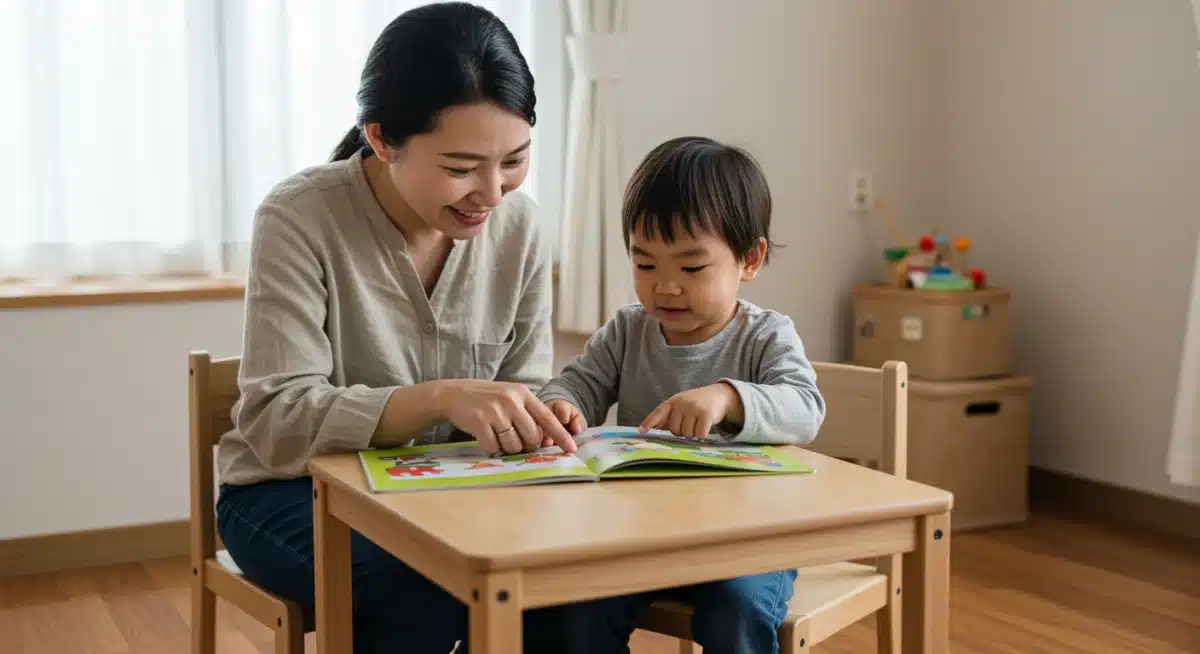
- Implement a consistent bedtime and wake-up schedule.
- Designate specific times for quiet activities, like reading or puzzles.
- Practice packing a backpack and preparing for the day.
- Discuss the school day’s structure, from arrival to dismissal.
Setting clear behavioral and learning expectations
Children thrive when they understand boundaries and expectations. Before kindergarten, talk about what good listening looks like, the importance of following directions, and how to ask for help. These conversations should be supportive and encouraging, focusing on building positive habits rather than instilling fear.
Implementing consistent routines and clear expectations at home provides a powerful framework for kindergarten success. These practices not only help children adapt to the school environment but also instill valuable discipline and self-management skills that will serve them throughout their academic careers.
Strategy 5: Engaging with the school community and resources
For US parents, preparing a child for kindergarten in 2025 also involves actively engaging with the school and utilizing available resources. This proactive approach helps demystify the school environment for both child and parent, fostering a sense of familiarity and belonging even before the first day. Building a relationship with the school community can provide invaluable insights, support, and opportunities for a smoother transition.
Attending orientation events, meeting teachers, and exploring the school building can significantly reduce anxiety for children. For parents, it offers a chance to understand school policies, communication channels, and ways to get involved. This partnership between home and school is crucial for a child’s educational journey.
Connecting with the kindergarten program
Most schools offer various opportunities for incoming kindergarten families to familiarize themselves with the program. Taking advantage of these events can make a huge difference in how prepared both parent and child feel. Early engagement demonstrates commitment and helps establish a positive rapport with school staff.
- Attend school orientation days and open houses.
- Meet the kindergarten teacher and introduce your child.
- Take a tour of the school, including the classroom, playground, and cafeteria.
- Inquire about summer programs or transitional activities offered by the school.
Utilizing local and online resources
Beyond direct school engagement, a wealth of resources exists to support kindergarten readiness. Local libraries often host story times and early learning programs. Online platforms provide educational games and activities tailored for preschoolers. Connecting with other parents in the community can also offer shared experiences and practical advice.
By actively engaging with the school community and leveraging available resources, parents can create a comprehensive support system for their child’s kindergarten journey. This collaborative effort ensures that children feel welcomed, understood, and ready to embark on their exciting new chapter in 2025.
| Key Preparation Area | Brief Description |
|---|---|
| Early Academics | Foster literacy and numeracy through playful reading, counting, and engaging activities. |
| Social-Emotional Skills | Develop emotional regulation, empathy, and positive peer interaction for classroom harmony. |
| Independence & Self-Help | Encourage self-care tasks like dressing, hygiene, and managing personal belongings. |
| Routines & Expectations | Establish consistent home routines and discuss school behaviors to ease transition. |
Frequently asked questions about kindergarten preparation
Beyond basic academics, crucial skills include social-emotional competence (sharing, emotional regulation), independence (self-care, following routines), and communication abilities. These foundational skills help children adapt to the classroom environment and interact positively with peers and teachers.
Integrate learning into everyday play and activities. Read together daily, play counting games with toys, identify letters and numbers in your environment, and engage in creative tasks like drawing or storytelling. Keep it light, positive, and child-led to foster a love for discovery.
Preparation can begin informally from birth through reading and interaction. More focused preparation for kindergarten typically starts 6-12 months before enrollment. This allows ample time to address developmental areas without rushing or creating undue pressure on the child.
Play is fundamental for developing social, emotional, cognitive, and physical skills essential for kindergarten. Through play, children learn problem-solving, negotiation, creativity, and self-expression, which are all critical for classroom engagement and success.
Practice short separations gradually, talk positively about school, visit the school together, and establish a consistent drop-off routine. Reassure your child that you will return and validate their feelings, helping them build trust and confidence in new environments.
Conclusion
Preparing a child for kindergarten in 2025 is a multifaceted journey that extends far beyond academic drills. It involves nurturing their social-emotional growth, fostering independence, establishing predictable routines, and actively engaging with the school community. By adopting these five comprehensive strategies, US parents can equip their children with the confidence, skills, and positive mindset needed to embark on their educational adventure successfully. A well-prepared child is not only ready for school but also for the exciting opportunities and challenges that lie ahead, setting the stage for a lifetime of learning and growth.