Voluntary Benefits 2025: A Deep Dive into What’s Available and Why it Matters

Anúncios
Voluntary benefits in 2025 are essential for modern workplaces, offering employees personalized choices for their well-being and financial security, while boosting employer attraction and retention efforts.
Anúncios
As the workplace continues its rapid evolution, understanding voluntary benefits 2025 becomes paramount for both employers and employees. These supplementary offerings, chosen and often paid for by employees, are no longer mere perks but integral components of a comprehensive compensation package, significantly impacting talent acquisition and retention in a competitive market.
Anúncios
The evolving landscape of voluntary benefits
The concept of voluntary benefits has undergone a significant transformation over the past decade, moving from niche offerings to mainstream expectations. In 2025, this evolution accelerates, driven by changing workforce demographics, technological advancements, and a heightened focus on holistic employee well-being. Employers are recognizing that a one-size-fits-all approach to benefits no longer suffices in attracting and retaining top talent.
Today’s employees seek personalization and flexibility, desiring benefits that directly address their individual needs and life stages. This shift places voluntary benefits at the forefront of HR strategy, allowing companies to offer a diverse portfolio that caters to a broad spectrum of preferences without significantly increasing fixed costs. The emphasis is now on choice and empowerment, enabling employees to curate their own benefit package.
Driving forces behind benefit evolution
Several key factors are propelling the expansion and diversification of voluntary benefits. Economic uncertainty, the rise of remote and hybrid work models, and a greater awareness of mental health issues have all contributed to a demand for more robust and adaptable benefit solutions.
- Demographic shifts: A multi-generational workforce means varied needs, from student loan assistance for younger employees to long-term care for older ones.
- Economic pressures: Rising costs of living and healthcare expenses make supplemental insurance and financial wellness programs more appealing.
- Remote work impact: Benefits previously tied to a physical office, like gym memberships, are being replaced by virtual wellness platforms or home office stipends.
- Mental health awareness: Increased recognition of mental health challenges has led to a surge in demand for related voluntary benefits.
In conclusion, the landscape of voluntary benefits in 2025 is dynamic and employee-centric. It reflects a deeper understanding by organizations that investing in the holistic well-being of their workforce through flexible and personalized benefit options is not just a moral imperative but a strategic business advantage.
Key categories of voluntary benefits in 2025
As we delve deeper into 2025, the array of voluntary benefits available to employees is broader and more specialized than ever before. These benefits are designed to fill gaps left by traditional employer-sponsored plans, offering critical support in areas ranging from financial stability to personal development.
Understanding these categories is crucial for both employers looking to build competitive packages and employees seeking to maximize their personal and professional well-being. The focus has shifted towards benefits that offer tangible value and address contemporary challenges faced by the modern workforce.
Financial wellness and protection
Financial stress remains a significant concern for many, impacting productivity and overall quality of life. Voluntary benefits addressing financial wellness are therefore highly sought after.
- Student loan assistance: Programs that help employees pay down student debt, a major burden for many, especially younger professionals.
- Identity theft protection: With increasing cyber threats, this benefit offers peace of mind and practical support against digital fraud.
- Legal services: Affordable access to legal advice for personal matters, from estate planning to real estate transactions.
- Critical illness insurance: Provides a lump sum payment upon diagnosis of a specified critical illness, helping cover medical costs and lost income.
Health and well-being enhancements
Beyond standard health insurance, employees are seeking voluntary options that support a more holistic view of health, encompassing physical, mental, and emotional well-being.
These benefits contribute significantly to a healthier, more engaged workforce, reducing absenteeism and improving overall morale. The emphasis is on proactive health management and accessible support systems.
In summary, the key categories of voluntary benefits in 2025 are diverse and strategically chosen to support employees in various aspects of their lives. From financial security to comprehensive health and wellness, these offerings provide valuable additions to standard employer benefits, reflecting a commitment to employee welfare.
The rise of personalized and niche benefits
One of the most defining characteristics of voluntary benefits in 2025 is the undeniable trend towards hyper-personalization and the emergence of highly niche offerings. Gone are the days when a limited selection would satisfy a diverse workforce. Today, employees expect benefits that resonate with their unique lifestyles, family structures, and personal aspirations.
This shift is largely fueled by data analytics, allowing employers to better understand their workforce’s specific needs and preferences. As a result, benefit portfolios are becoming increasingly modular, enabling individuals to select options that truly matter to them, rather than settling for generic packages.
Tailoring benefits to individual needs
The demand for personalization has led to a proliferation of benefits that cater to specific life events or individual circumstances. This bespoke approach helps employers demonstrate a genuine commitment to their employees’ diverse needs.
- Pet insurance: A popular choice for pet owners, helping manage veterinary costs and demonstrating empathy for employees’ extended families.
- Childcare and eldercare support: Programs offering subsidies, referral services, or flexible spending accounts for dependent care, easing the burden on working parents and caregivers.
- Home office stipends: Essential for the hybrid and remote workforce, covering costs associated with setting up and maintaining a productive home workspace.
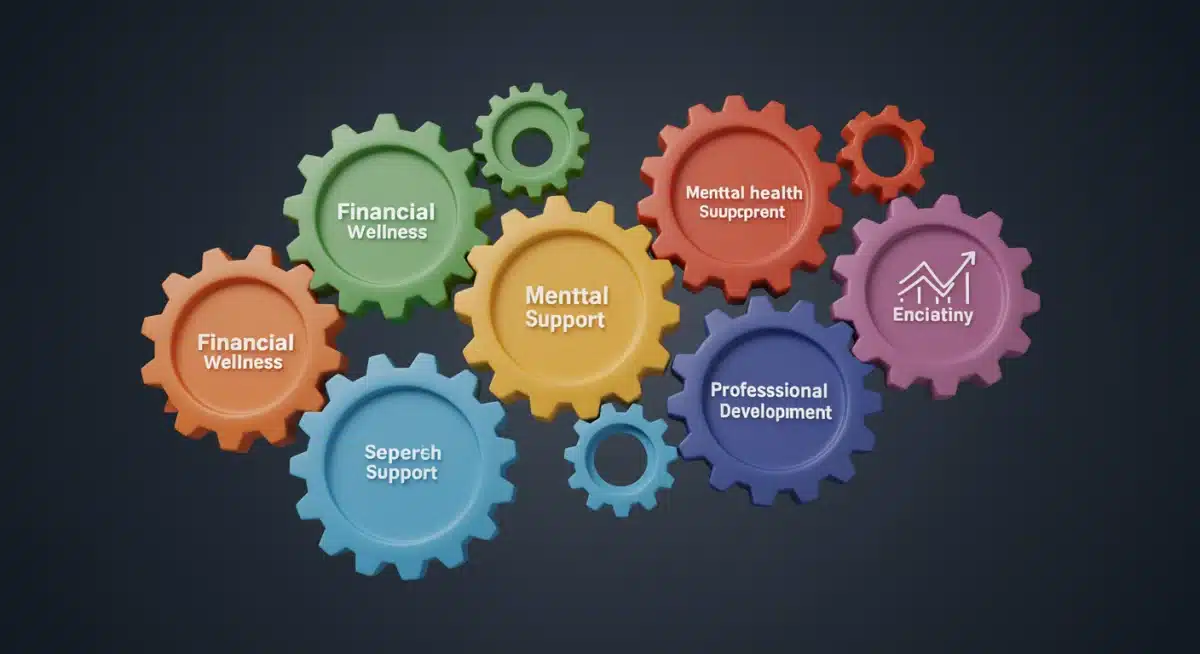
Beyond these, we’re also seeing benefits like travel insurance, auto insurance discounts, and even subscription services for meal kits or entertainment. These seemingly small additions can significantly enhance an employee’s perceived value of their compensation package.
Ultimately, the rise of personalized and niche benefits in 2025 underscores a fundamental change in how companies view employee welfare. It’s about empowering choice and recognizing the individuality within the workforce, leading to higher engagement and loyalty.
Why voluntary benefits matter for employee retention and attraction
In today’s highly competitive talent market, attracting and retaining skilled employees is a top priority for businesses across all sectors. While competitive salaries remain crucial, voluntary benefits have emerged as a powerful differentiator, playing a pivotal role in an organization’s ability to secure and keep its most valuable assets: its people.
These benefits signal a company’s commitment to employee well-being beyond basic compensation, fostering a culture of care and support. Employees are increasingly evaluating potential employers not just on salary, but on the comprehensiveness and relevance of their entire benefits package.
Enhancing employee satisfaction and loyalty
When employees feel valued and supported, their satisfaction and loyalty naturally increase. Voluntary benefits contribute significantly to this by addressing diverse personal and financial needs, reducing stress, and improving overall quality of life.
- Increased engagement: Employees with access to relevant benefits often feel more connected to their workplace and are more likely to be engaged in their roles.
- Reduced financial stress: Benefits like financial wellness programs or supplemental insurance can alleviate common anxieties, allowing employees to focus better at work.
- Work-life balance: Offerings such as dependent care support or flexible work arrangements through voluntary options directly contribute to a healthier work-life integration.
The ability to choose benefits that align with personal circumstances empowers employees, making them feel more in control and appreciated. This personalization fosters a stronger bond between the employee and the organization, leading to higher retention rates and a more stable workforce.
In conclusion, voluntary benefits are no longer just an add-on; they are a strategic imperative for employee retention and attraction in 2025. By offering a diverse and personalized suite of options, companies can create a compelling value proposition that stands out in the marketplace, cultivating a loyal, satisfied, and productive workforce.
Strategic implementation for employers
Successfully integrating voluntary benefits into an overall compensation strategy requires careful planning and a clear understanding of both organizational goals and employee needs. For employers, the strategic implementation of these benefits in 2025 is not just about offering more options, but about offering the right options in the right way.
A thoughtful approach ensures that the investment in voluntary benefits yields maximum return, enhancing employee satisfaction and supporting business objectives without overburdening administrative resources. It involves data-driven decisions and robust communication.
Best practices for benefit selection and communication
Choosing which voluntary benefits to offer and how to communicate them effectively are critical steps. A haphazard approach can lead to low adoption rates and missed opportunities to engage employees.
- Conducting needs assessments: Regularly survey employees to understand their current needs, preferences, and pain points related to benefits. This data should drive benefit selection.
- Partnering with reputable providers: Ensure that the benefit providers are financially stable, offer competitive rates, and have excellent customer service to ensure a positive employee experience.
- Clear and consistent communication: Educate employees thoroughly about the value, cost, and enrollment process for each benefit. Utilize multiple channels such as workshops, online portals, and personalized emails.
- Streamlined enrollment: Simplify the enrollment process, ideally through a user-friendly online platform, to encourage participation and reduce administrative friction.
Furthermore, employers should regularly review the effectiveness of their voluntary benefit programs. This includes analyzing participation rates, gathering employee feedback, and assessing the impact on key metrics like retention and engagement. Adjustments should be made as workforce needs evolve.
Ultimately, strategic implementation transforms voluntary benefits from a mere offering into a powerful tool for talent management. By carefully selecting, communicating, and managing these benefits, employers can create a truly compelling and supportive work environment that benefits everyone.
The future outlook for voluntary benefits
Looking ahead, the trajectory of voluntary benefits in 2025 and beyond points towards continued expansion, greater technological integration, and an even sharper focus on individualized employee support. The trends we observe today are merely precursors to a more sophisticated and responsive benefits ecosystem.
Employers will increasingly leverage AI and data analytics to predict employee needs and tailor benefit offerings with unprecedented precision. The line between traditional and voluntary benefits may also blur, as companies strive for truly holistic well-being solutions.
Emerging trends and predictions
Several key trends are poised to shape the future of voluntary benefits, making them even more integral to the employee value proposition.
- AI-driven personalization: Artificial intelligence will enable highly customized benefit recommendations based on individual employee data, life events, and preferences.
- Sustainability and ESG benefits: Voluntary benefits related to environmental, social, and governance (ESG) factors, such as sustainable investment options or volunteer time off, will grow in popularity.
- Predictive health and wellness: Technologies that offer personalized health insights and preventative care recommendations, potentially integrated with wearable devices, will become more common.
- Gig economy integration: As the gig economy expands, employers will explore how to offer voluntary benefits to contract and freelance workers, extending support beyond traditional employment models.
The emphasis will remain on flexibility and choice, but with an added layer of intelligent curation. Benefits will not just be offered; they will be presented as part of a personalized journey, adapting to an employee’s evolving needs throughout their career and life stages.
In conclusion, the future of voluntary benefits is bright and dynamic. By embracing technological advancements and remaining attuned to the changing needs of the workforce, employers can continue to enhance their benefit packages, fostering a resilient, engaged, and well-supported employee base well into the future.
| Key Aspect | Brief Description |
|---|---|
| Evolving Landscape | Driven by demographics, technology, and holistic well-being, moving from perks to essential offerings. |
| Key Categories | Includes financial wellness, health enhancements, and personal development, addressing diverse employee needs. |
| Personalization Trend | Benefits are increasingly tailored to individual lifestyles, family needs, and specific life stages. |
| Strategic Value | Crucial for attracting and retaining talent, boosting employee satisfaction, and fostering loyalty. |
Frequently asked questions about voluntary benefits in 2025
Voluntary benefits are optional offerings chosen and typically paid for by employees, often at a group discount. They differ from core benefits like health insurance or 401(k)s, which are usually employer-sponsored and often fully or partially paid for by the company as a standard part of employment.
They are crucial for attracting and retaining talent in a competitive market. Voluntary benefits allow employers to offer a broader, more personalized benefits package without significantly increasing fixed costs, enhancing employee satisfaction and demonstrating a commitment to holistic well-being.
In 2025, common types include critical illness insurance, identity theft protection, student loan assistance, legal services, pet insurance, and various financial wellness programs. Mental health support and home office stipends are also gaining significant traction.
Effective implementation involves conducting thorough needs assessments, partnering with reliable providers, ensuring clear and consistent communication about available options, and streamlining the enrollment process through user-friendly platforms. Regular review and adaptation are also key for success.
Future trends include greater personalization driven by AI and data analytics, increased offerings related to sustainability and ESG factors, integration of predictive health and wellness technologies, and potential expansion to cover gig economy workers. The focus will remain on flexible, individualized support.
Conclusion
The landscape of voluntary benefits in 2025 is a testament to the evolving dynamics of the modern workplace, emphasizing personalization, comprehensive well-being, and strategic value. For both employers and employees, understanding and effectively utilizing these diverse offerings is no longer optional but a critical component of a thriving professional environment. As we move forward, the commitment to providing flexible, relevant, and supportive voluntary benefits will undoubtedly define leading organizations and foster a more engaged, satisfied, and resilient workforce.