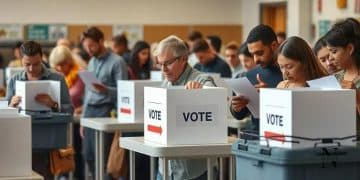
Voting rights and their impact on society
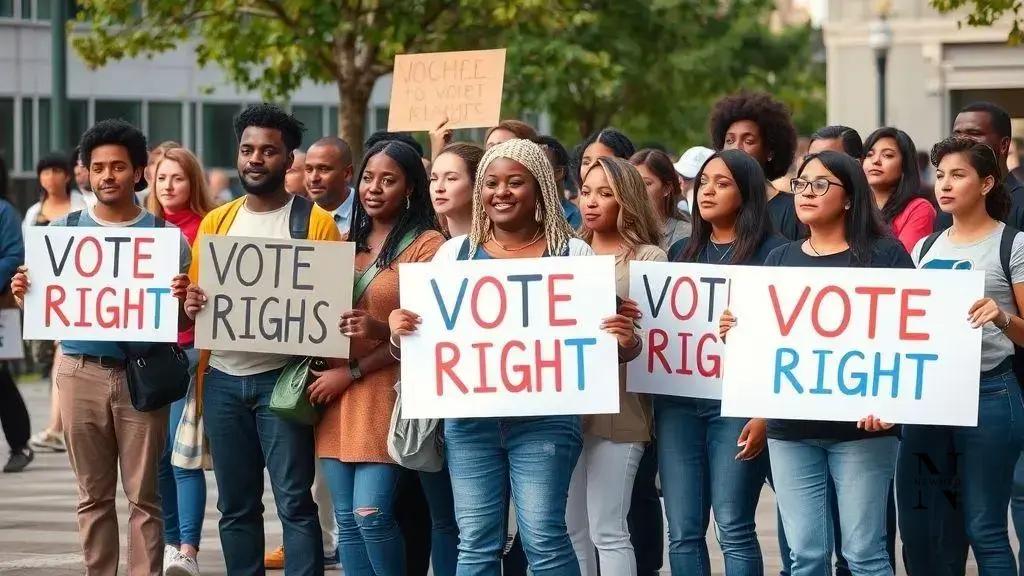
Anúncios
Voting rights are crucial for democratic participation, ensuring that all citizens can express their opinions and influence government decisions through their votes, while facing challenges such as voter ID laws and misinformation.
Voting rights play a vital role in shaping our democracy. They’re not just about casting ballots; they represent the voice of the people. But have you ever wondered how these rights have evolved and what they mean for you?
Anúncios
Understanding voting rights history
The history of voting rights reveals a powerful journey toward equality and representation. Understanding this history is essential to grasp how far we’ve come and the challenges we still face.
From the early days of democracy, many groups were excluded from the electoral process. Initially, only wealthy landowners could vote, leaving out a large portion of the population. Over time, movements emerged advocating for a more inclusive system.
Anúncios
The suffrage movement
The suffrage movement played a crucial role in expanding voting rights, especially for women. Activists fought tirelessly for the right to vote, which was finally achieved with the passing of the 19th Amendment in 1920.
Key milestones in voting rights
- The Voting Rights Act of 1965 prohibited racial discrimination.
- Lowering the voting age to 18 during the Vietnam War.
- The expansion of voting access through mail-in ballots and early voting.
These milestones highlight the ongoing struggle for voting rights. Various groups continually advocate for fair representation and accessibility. Today, many still fight against practices that aim to suppress votes.
As we analyze the past, it’s important to recognize the changes made and the advocates who sacrificed for voting rights. This history is not just about laws; it’s about real people’s lives and the ongoing pursuit of equality.
Engaging in this historical perspective allows us to appreciate the importance of voting rights today. Each time we vote, we honor the hard-fought battles of those before us.
The importance of voting rights in democracy
The importance of voting rights in democracy cannot be overstated. Voting is the backbone of democratic governance, allowing citizens to express their values and priorities. When individuals participate in elections, they influence the direction of their government and society.
Every vote matters. When people engage in voting, they are exercising their fundamental rights. This engagement ensures that leaders are held accountable and that diverse perspectives are considered in policy-making. Furthermore, it fosters a sense of community and belonging among citizens.
Benefits of voting rights
Voting rights provide numerous benefits to society, including:
- Representation: Ensures all voices and communities have a say in government decisions.
- Accountability: Elected officials must respond to the electorate’s needs and concerns.
- Empowerment: Encourages citizens to take an active role in shaping their future.
- Stability: Promotes social stability through peaceful transitions of power.
In a democracy, voting rights help defend against tyranny and ensure that governmental authority derives from the consent of the governed. They empower individuals to advocate for their rights and the rights of others. This engagement is crucial for maintaining a healthy and functioning society.
Additionally, protecting voting rights combats efforts that aim to disenfranchise specific groups. Everyone should have equal access to the polls, regardless of race, gender, or socioeconomic status. When people feel their votes count, they are more likely to participate actively in civic life.
Ultimately, the health of a democracy relies on the participation of its citizens. Upholding voting rights is essential for creating a society where everyone has a stake in shaping their future and where democracy truly thrives.
Challenges to voting rights today
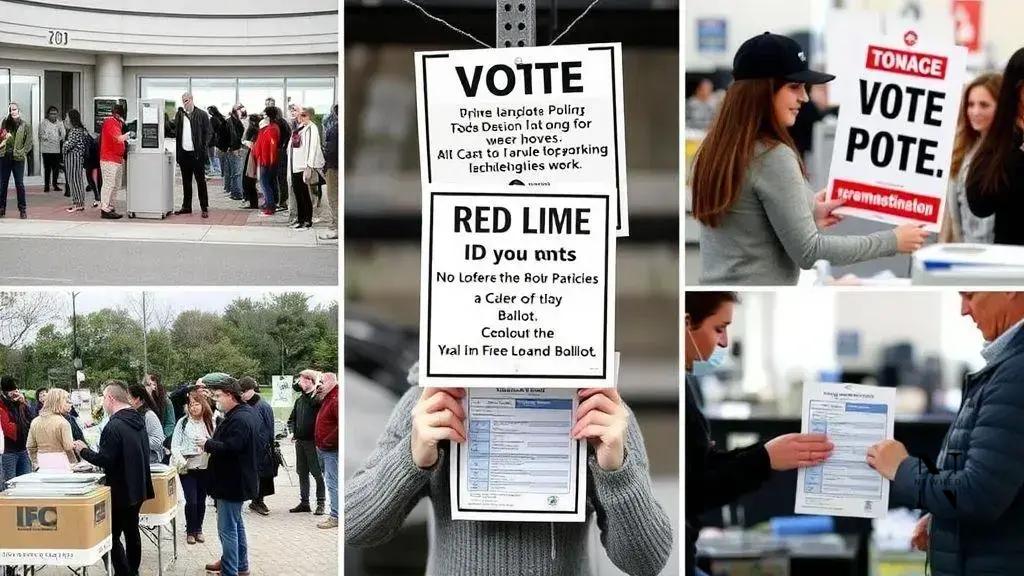
Today, there are significant challenges to voting rights that threaten the accessibility and fairness of elections. Many barriers still exist, making it difficult for various groups to exercise their right to vote.
One major challenge is voter ID laws. While some argue these laws help prevent fraud, they disproportionately affect minorities and low-income individuals who may not have the required identification. This can lead to disenfranchisement, where eligible voters are turned away from the polls.
Other obstacles to voting
There are several other obstacles that can hinder the voting process, including:
- Voter roll purges: States often remove names from voter lists, which can mistakenly include eligible voters.
- Limited polling places: Areas with fewer polling stations lead to long lines and wait times, discouraging people from voting.
- Restrictions on mail-in voting: Some states impose strict rules on absentee voting, making it harder for people to vote from home.
- Disinformation campaigns: False information about voting processes can confuse voters and deter them from participating.
These challenges emphasize the need for continuous vigilance in protecting voting rights. Advocacy groups are working hard to combat these barriers and promote policies that enhance voter access. This includes fighting against discriminatory practices and ensuring every voice can be heard.
Moreover, public awareness is crucial. Citizens must be informed about their voting rights and recognize the challenges that exist. Education can empower individuals to advocate for their rights and push for reforms that ensure fair and accessible elections for everyone.
How to advocate for voting rights
Advocating for voting rights is crucial for ensuring that every eligible citizen can participate in our democracy. Here are some effective ways to get involved and make a difference.
Educate Yourself and Others
Start by educating yourself about the history and current issues surrounding voting rights. Understanding the challenges can help you share this vital information with others. You can organize workshops or discussions in your community to raise awareness.
Join Advocacy Groups
There are many organizations dedicated to protecting and promoting voting rights.
- League of Women Voters: Focuses on educating voters and promoting civic engagement.
- ACLU: Works to protect individual rights, including the right to vote.
- NAACP: Advocates for voting rights for marginalized communities.
- Vote.org: Provides resources and tools for voters.
Joining these groups can help amplify your efforts as you collaborate with like-minded individuals on campaigns and events.
Another powerful way to advocate is by reaching out to your local representatives. Share your thoughts on the importance of voting rights and encourage them to support legislation aimed at improving access to voting. Writing letters, making phone calls, or even setting up meetings can have a significant impact.
Participate in Local Elections
Engage in your local elections by voting and volunteering. Connect with campaigns you believe in and offer your time to help spread the word. Whether it’s knocking on doors or helping with events, every action counts.
Additionally, encourage friends and family to vote. Help them understand the voting process and ensure they know their rights. Making voting a community effort can increase turnout and awareness in your area.
Through education, advocacy, and active participation, we can all work together to protect voting rights for everyone.
Future of voting rights and reforms
The future of voting rights is shaped by ongoing debates and reforms. As society evolves, so do the discussions around how to ensure fair and accessible elections for everyone. It’s crucial to anticipate the changes that may impact the democratic process.
One important aspect is the use of technology in voting. Innovations like online voting and electronic ballot systems offer new ways to facilitate participation, making the process more convenient. However, these advancements need to be implemented carefully to protect against security risks and ensure fairness.
Potential Reforms
There are several reforms that could enhance voting rights:
- Automatic Voter Registration: Implementing automatic voter registration can simplify the process and increase voter participation.
- Expanded Access to Voting: This includes measures like extended voting hours and more accessible polling places for those with disabilities.
- Restoration of Voting Rights: Efforts to restore voting rights to individuals with felony convictions can help reintegrate them into society.
- Combatting Disinformation: Addressing false information about voting can empower citizens to make informed decisions.
As awareness grows about the importance of these reforms, communities can work together to support initiatives that promote voting rights. Activism plays a key role in this effort. Engaging with local representatives and advocating for change ensures that the voices of the people are heard.
Education also remains vital in fostering understanding about the significance of voting rights. Informing individuals about their rights and the voting process helps encourage participation and engagement.
The importance of preserving voting rights
Voting rights are essential for a healthy democracy. They allow citizens to voice their opinions and participate in the decision-making process. As we have seen, there are many challenges to these rights today, but there are also many ways to advocate for change and improvements.
We must remain vigilant in protecting and expanding voting rights. This includes understanding the history, confronting current challenges, and supporting reforms that promote equitable access for all. By continuously engaging in this important conversation and taking action, we can work together to ensure that every vote counts.
As we move toward the future, let’s commit to fighting for a democratic process that is inclusive and fair for everyone. The strength of our democracy depends on it.
FAQ – Frequently Asked Questions about Voting Rights
What are voting rights?
Voting rights are the legal rights that allow individuals to participate in elections and cast their votes for representatives or policies.
Why are voting rights important?
Voting rights are crucial for a healthy democracy as they ensure that all citizens have a voice in government decisions and can influence policies that affect their lives.
What challenges do voting rights face today?
Voting rights face challenges such as voter ID laws, limited polling places, misinformation, and restrictions on mail-in voting, which can disenfranchise eligible voters.
How can I advocate for voting rights?
You can advocate for voting rights by educating yourself and others, joining advocacy groups, participating in local elections, and reaching out to your representatives to support pro-voting legislation.