Navigating 2026 Tax Code Changes: 7 Key Updates for U.S. Investors
Anúncios
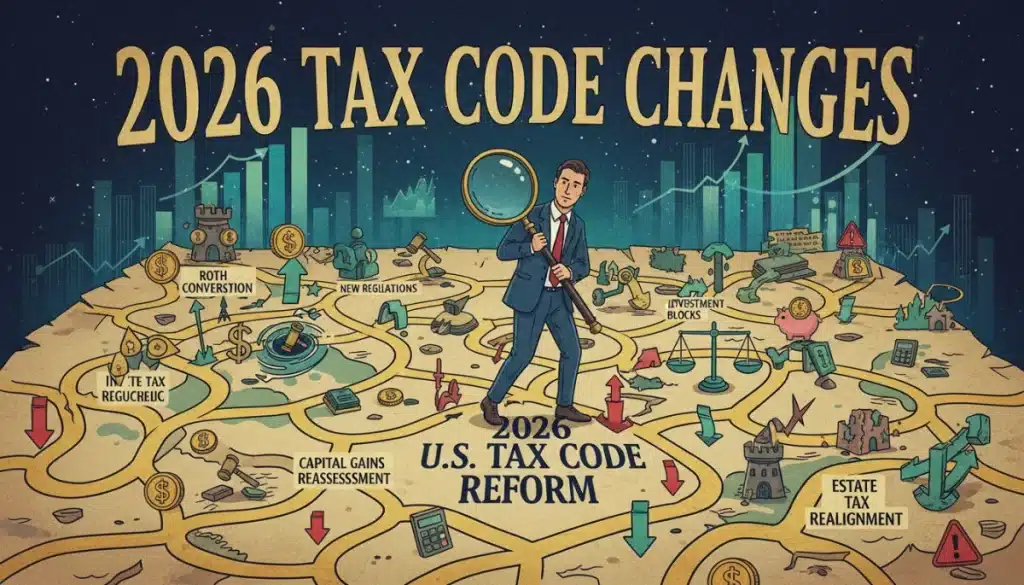
The 2026 tax code changes are poised to significantly reshape the financial landscape for U.S. investors, necessitating proactive planning to navigate new regulations and optimize investment strategies effectively.
Anúncios
As 2026 approaches, U.S. investors face a pivotal moment with impending shifts in the tax code. Understanding these changes is not just about compliance; it’s about strategic foresight. This article delves into the most significant updates, offering a roadmap to help you protect and grow your wealth amidst evolving regulations. Prepare to navigate the complexities and turn potential challenges into opportunities.
Anúncios
Understanding the Sunset Provisions of the TCJA
The Tax Cuts and Jobs Act (TCJA) of 2017 brought about sweeping changes to the U.S. tax landscape, many of which are set to expire, or ‘sunset,’ at the end of 2025. This means that come January 1, 2026, many individual tax provisions will revert to their pre-TCJA forms unless Congress acts to extend or modify them. This impending shift creates a critical juncture for investors, requiring a thorough review of their current financial plans.
The sunsetting of these provisions will impact various aspects of personal finance, from individual income tax rates to estate planning. For investors, it’s crucial to recognize that strategies optimized for the TCJA era may no longer be effective, or even advantageous, in the post-2025 environment. Proactive analysis and adjustments will be essential to mitigate potential negative impacts and capitalize on new opportunities.
Individual Income Tax Rates Reversion
One of the most significant changes expected is the reversion of individual income tax rates. The TCJA lowered marginal tax rates across most brackets. Without legislative intervention, these rates are slated to increase, returning to levels seen before 2018.
- Higher Tax Brackets: Expect a return to seven individual income tax brackets, with potentially higher rates for many taxpayers.
- Impact on Investment Income: This could mean a larger portion of capital gains and qualified dividends are taxed at higher ordinary income rates for some investors.
- Strategic Tax-Loss Harvesting: The potential for higher future tax rates might influence current tax-loss harvesting strategies.
Understanding the specific tax bracket changes that will affect your income level is paramount. This knowledge will guide decisions on when to realize gains or losses, and how to structure future income streams. Consulting with a financial advisor to model these potential changes is highly recommended.
The expiration of these provisions underscores the dynamic nature of tax law and the need for continuous financial planning. Investors should begin evaluating their portfolios and income streams now to prepare for these significant adjustments. The goal is to ensure that your investment strategy remains aligned with the evolving tax framework.
Estate and Gift Tax Exemption Adjustments
Another major area of impact for high-net-worth individuals concerns the federal estate and gift tax exemptions. The TCJA dramatically increased these exemptions, allowing individuals to transfer substantial wealth free of federal estate or gift tax. This provision is also scheduled to revert.
The current high exemption levels have provided a unique window for estate planning strategies, such as gifting and establishing trusts. As 2026 approaches, the value of these exemptions is expected to be cut roughly in half. This change has profound implications for wealth transfer and intergenerational planning.
Planning for Reduced Exemptions
The reduction in the estate and gift tax exemption will necessitate a re-evaluation of existing estate plans. Individuals who have not yet utilized the higher exemption amounts may wish to consider accelerated gifting strategies before the end of 2025.
- Accelerated Gifting: Consider making large gifts now to utilize the higher exemption while it is still available.
- Trust Review: Revisit existing irrevocable trusts and consider establishing new ones designed to maximize current exemptions.
- Liquidity Planning: Ensure sufficient liquidity in your estate to cover potential estate tax liabilities under the reduced exemption.
The ‘use it or lose it’ principle applies strongly here. The IRS has provided guidance indicating that gifts made under the higher exemption amounts will not be clawed back if the exemption decreases. This offers a clear incentive for those with substantial assets to act decisively. Understanding the nuances of these rules is critical for effective estate planning.
For many families, the estate tax can represent a significant erosion of inherited wealth. Proactive planning, informed by expert tax and legal advice, can help preserve family legacies. The window of opportunity to leverage current exemptions is closing, making immediate action a wise decision for those affected.
Changes to Standard Deduction and Itemized Deductions
The TCJA significantly increased the standard deduction, leading many taxpayers to forgo itemizing deductions. Simultaneously, it limited or eliminated certain itemized deductions, such as the state and local tax (SALT) deduction. These changes are also on the chopping block for 2026.
The reversion to lower standard deduction amounts and the potential reintroduction or modification of itemized deduction limits will impact the taxable income calculation for millions of Americans. Investors need to understand how these changes might affect their personal tax liability and overall financial planning.
Reassessing Deduction Strategies
With the standard deduction potentially decreasing, more taxpayers may find it advantageous to itemize their deductions. This requires careful tracking of eligible expenses throughout the year.
- SALT Deduction Cap: The $10,000 cap on state and local tax (SALT) deductions may expire, potentially offering significant relief to taxpayers in high-tax states.
- Medical Expense Deductions: The threshold for deducting medical expenses might revert, impacting those with substantial healthcare costs.
- Mortgage Interest Deduction: Current limitations on mortgage interest deductions could change, affecting homeowners.
For investors, these deduction changes can indirectly influence disposable income available for investment. Understanding which deductions will be most beneficial under the new rules is key to minimizing taxable income. Keep meticulous records of all potential deductions to maximize your tax savings when filing your 2026 return.
The interplay between standard and itemized deductions is a cornerstone of individual tax planning. As these provisions shift, a fresh look at your personal spending and charitable giving patterns will be necessary. This proactive approach ensures you are prepared to take advantage of the most beneficial deduction strategy available.
Qualified Business Income (QBI) Deduction Expiration
The Qualified Business Income (QBI) deduction, also known as the Section 199A deduction, allows eligible self-employed and small business owners to deduct up to 20% of their qualified business income. This popular deduction, a significant benefit for many pass-through entities, is another TCJA provision scheduled to expire at the end of 2025.
The expiration of the QBI deduction will have a direct impact on the taxable income of millions of business owners and investors in pass-through entities such as S corporations, partnerships, and sole proprietorships. This necessitates a careful review of business structures and income distribution strategies.
Strategic Business Planning Post-QBI
Without the QBI deduction, the effective tax rate for many business owners will increase. This requires a re-evaluation of business income planning and potential tax-saving alternatives.
- Business Structure Review: Consider whether your current business structure remains optimal without the QBI deduction.
- Retirement Plan Contributions: Maximize contributions to qualified retirement plans to reduce taxable income.
- Expense Management: Focus on diligent expense tracking and legitimate business deductions to offset income.
For investors involved in pass-through businesses, understanding the implications of this deduction’s expiration is paramount. It could influence decisions regarding business expansion, capital investment, and even compensation structures. Engaging with a tax professional specializing in business taxation will be crucial to navigate this change effectively.
The QBI deduction has been a powerful incentive for small business growth and investment. Its removal will undoubtedly prompt many business owners to seek alternative strategies for tax efficiency. Proactive planning and adaptation will be key to maintaining profitability and managing tax liabilities.

Potential Changes to Capital Gains and Dividends
While the TCJA did not directly alter capital gains tax rates, the reversion of individual income tax brackets in 2026 could indirectly impact the taxation of capital gains and qualified dividends. As ordinary income tax rates rise, more investors may find themselves in higher capital gains tax brackets.
Currently, long-term capital gains and qualified dividends are taxed at preferential rates (0%, 15%, or 20%) depending on the taxpayer’s ordinary income. If ordinary income tax brackets increase, the thresholds for these preferential rates will also shift, potentially pushing more investors into higher capital gains tax tiers.
Optimizing Investment Realization
Understanding the potential shifts in capital gains taxation is vital for investors planning to sell assets or receive significant dividend income. Strategic timing of these events can make a substantial difference.
- Tax-Loss Harvesting: Intensify tax-loss harvesting efforts before year-end 2025 to offset potential future gains.
- Timing of Sales: Consider accelerating the sale of highly appreciated assets into 2025 if you anticipate being in a higher tax bracket in 2026.
- Qualified Dividend Strategies: Review portfolios for qualified dividend-paying stocks and consider their tax efficiency under new rules.
The careful management of capital gains and dividends is a cornerstone of investment strategy. As the tax landscape evolves, investors should work closely with their financial advisors to model different scenarios. This will help them make informed decisions about when to buy, hold, or sell assets to optimize after-tax returns.
The anticipation of higher capital gains taxes should prompt a thorough review of your investment portfolio. Adjusting your strategy to account for these potential changes can help preserve more of your investment returns, ensuring your wealth continues to grow efficiently.
Rethinking Retirement Savings Incentives
While the core structure of retirement accounts like 401(k)s and IRAs was largely untouched by the TCJA’s individual provisions, the broader changes in income tax rates and deductions could indirectly affect the attractiveness of certain retirement savings strategies. As tax rates potentially increase, the value of tax deferral and tax-free growth becomes even more pronounced.
For many investors, retirement savings represent a significant portion of their long-term financial planning. The impending tax code changes offer an opportunity to re-evaluate contribution strategies, Roth conversions, and overall retirement income planning to maximize tax efficiency.
Adjusting Retirement Contribution Strategies
The potential for higher future tax rates might make traditional pre-tax contributions even more valuable, while Roth conversions could also become more appealing in specific scenarios.
- Maximize Pre-Tax Contributions: Contribute the maximum allowable to 401(k)s and traditional IRAs to reduce current taxable income, especially if you anticipate being in a lower tax bracket in retirement.
- Roth Conversion Analysis: Evaluate the benefits of Roth conversions before 2026 if you believe current tax rates are lower than future rates.
- Backdoor Roth: Understand how changes might affect advanced strategies like backdoor Roth contributions.
The decision between traditional and Roth contributions often hinges on an individual’s current versus anticipated future tax rates. With the expected reversion to higher rates, this calculation becomes even more critical. Consulting with a financial planner specializing in retirement strategies is advisable to tailor your approach.
Retirement planning is a long-term endeavor, and tax policy changes can significantly alter its trajectory. By proactively adjusting your savings and distribution strategies, you can ensure your retirement nest egg remains robust and tax-efficient, regardless of legislative shifts.
The Importance of Proactive Planning and Professional Guidance
The looming 2026 tax code changes are not merely administrative adjustments; they represent a significant shift in the financial landscape for U.S. investors. The complexity and potential impact of these changes underscore the critical importance of proactive planning and seeking professional guidance. Waiting until the last minute could result in missed opportunities or unforeseen tax liabilities.
Navigating these changes effectively requires a comprehensive understanding of your personal financial situation, investment portfolio, and long-term goals. A ‘one-size-fits-all’ approach will likely fall short, making personalized advice invaluable.
Key Steps for Investors
To prepare for the 2026 tax environment, investors should consider a multi-faceted approach involving financial, tax, and legal professionals.
- Review Your Current Financial Plan: Assess how your existing investment and estate plans align with the expiring TCJA provisions.
- Consult with a Tax Advisor: Work with a qualified tax professional to understand the specific implications for your income, investments, and estate.
- Consider Scenario Planning: Model different tax scenarios to anticipate potential impacts on your after-tax returns and wealth.
The expertise of a financial advisor can be particularly beneficial in translating complex tax legislation into actionable strategies. They can help you identify opportunities for tax optimization, rebalance portfolios, and adjust estate plans to align with the new rules. This collaborative approach ensures that all aspects of your financial life are considered.
Ultimately, the goal is to transform the uncertainty of tax reform into a strategic advantage. By staying informed, planning ahead, and leveraging expert advice, U.S. investors can confidently navigate the 2026 tax code changes and continue building a secure financial future.
| Key Update | Brief Description |
|---|---|
| Income Tax Rates | Individual income tax rates are expected to revert to higher pre-TCJA levels. |
| Estate Tax Exemption | Federal estate and gift tax exemptions are set to significantly decrease. |
| Standard Deduction | Standard deduction amounts will likely revert to lower, pre-TCJA figures. |
| QBI Deduction | The Section 199A Qualified Business Income deduction is scheduled to expire. |
Frequently Asked Questions About 2026 Tax Changes
The primary reason for the upcoming changes is the sunsetting of various provisions from the Tax Cuts and Jobs Act (TCJA) of 2017. Many of these individual tax cuts and adjustments were designed with an expiration date of December 31, 2025, meaning they will automatically revert to prior law unless Congress intervenes.
Higher individual income tax rates could reduce your after-tax investment returns, especially for income-generating assets. It may also push you into a higher capital gains tax bracket when selling appreciated assets. Strategic tax-loss harvesting and careful timing of asset sales become even more critical.
For high-net-worth individuals, accelerating gifting before the end of 2025 to utilize the higher current estate and gift tax exemption is a strategy worth considering. The IRS has indicated these gifts will not be clawed back, making it a valuable opportunity to transfer wealth tax-free.
The expiration of the Qualified Business Income (QBI) deduction will likely increase the effective tax rate for many self-employed individuals and owners of pass-through entities. Business owners should review their entity structure and explore other tax-advantaged strategies, such as maximizing retirement contributions, to offset this change.
It is highly recommended to consult a financial advisor and tax professional as soon as possible. Proactive planning allows sufficient time to analyze your specific situation, model potential impacts, and implement strategies to optimize your financial position before the 2026 tax changes take full effect. Early action is key.
Conclusion
The impending 2026 tax code changes represent a significant juncture for U.S. investors, demanding careful attention and strategic adaptation. From the reversion of individual income tax rates and adjustments to estate tax exemptions to the expiration of the QBI deduction, these shifts will reshape financial planning for years to come. By understanding these key updates, engaging in proactive planning, and leveraging the expertise of financial professionals, investors can confidently navigate the evolving tax landscape, safeguard their wealth, and position themselves for continued financial success. The time to assess, plan, and act is now, ensuring your financial strategy remains robust and tax-efficient in the face of these transformative changes.